


Electrified
A Lineup Generating More Possibilities

Prototype vehicles shown with options using visual effects.

The Power of Choice
Take charge of your future and choose from Toyota’s diverse range of powertrains.
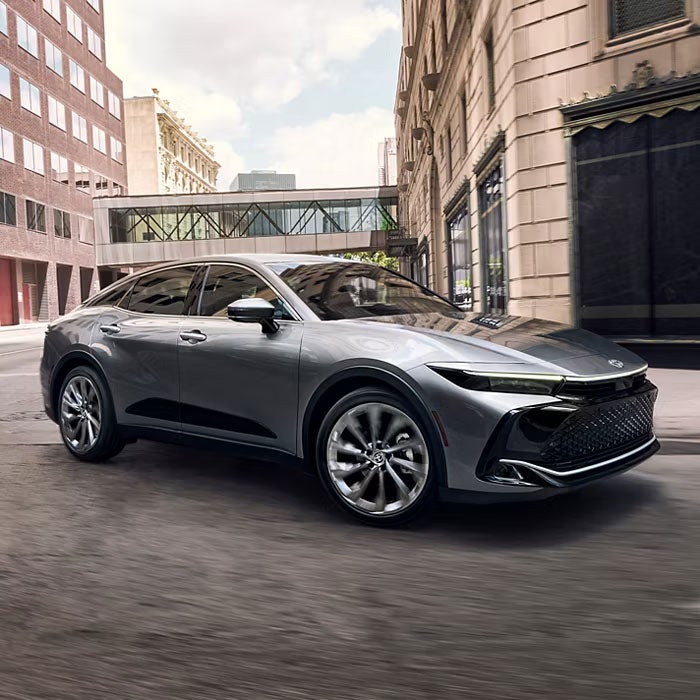

RAV4 Plug-in Hybrid XSE shown in Supersonic Red with Midnight Black Metallic roof with Premium Package. Extra-cost color.
Limited availability.
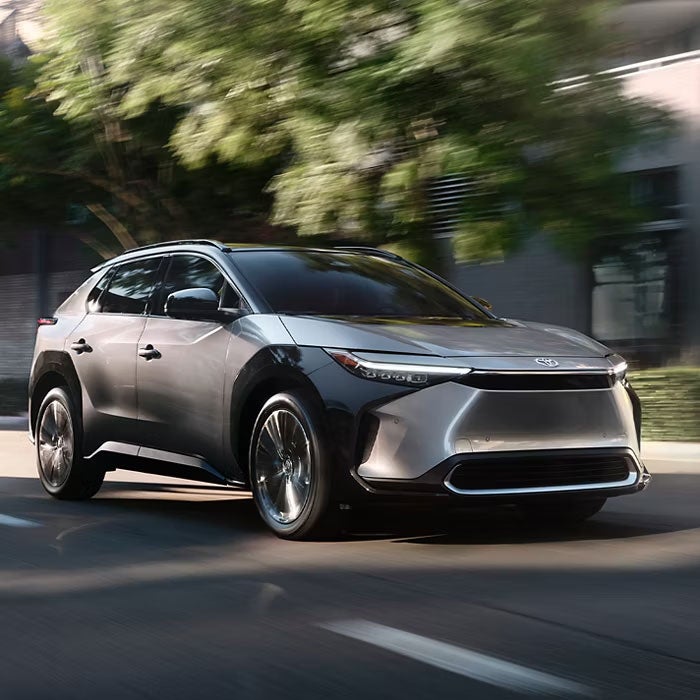
bZ4X Limited AWD shown in Heavy Metal with Black roof and available split roof rear spoiler. Prototype shown with options.
Our Electrified Lineup
Empowering Hybrid EV Benefits
Performance
With an electric motor for potentially quick launches and the power of a gas engine, Toyota Hybrid EVs often outperform their gas-only counterparts.
Environmental
Enjoy fuel savings and reduce your carbon footprint.
Empowering Plug-In Hybrid EV Benefits
Performance
A gas engine and electric motor powertrain seamlessly work together to give you the power you want, when you want it.
Environmental
A fully charged battery pack lets you run longer using only electric power.
Savings
Plug-in Hybrid Vehicles can bring about potential incentives.
Empowering Battery EV Benefits
Performance
Feel the smooth acceleration, instant torque delivery and quiet drive.
Environmental
Reducing CO2 emissions by going fully electric is one way we can lessen our impact on the environment.
Savings
Battery EVs can bring about potential federal and state incentives. They may also include lower overall service and routine maintenance costs.

Explore charging options and education.
Prototype vehicles shown with options using visual effects.
Charge with confidence.
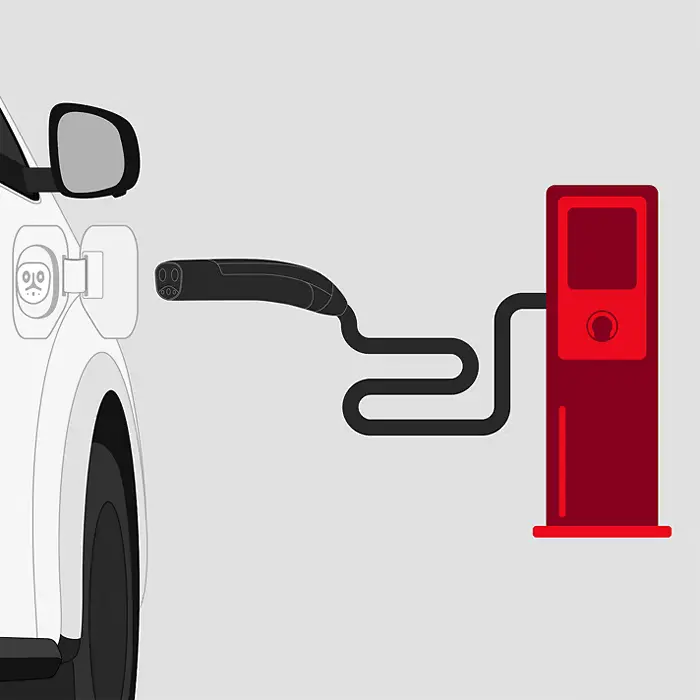
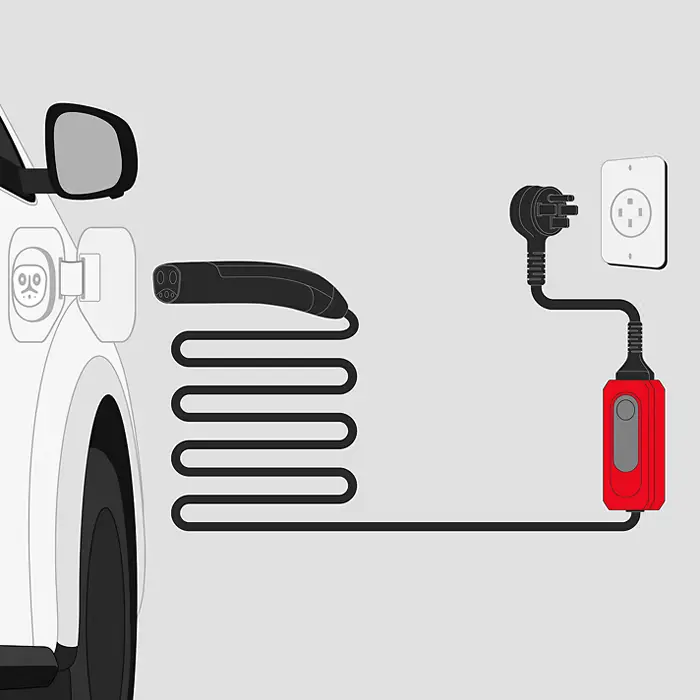
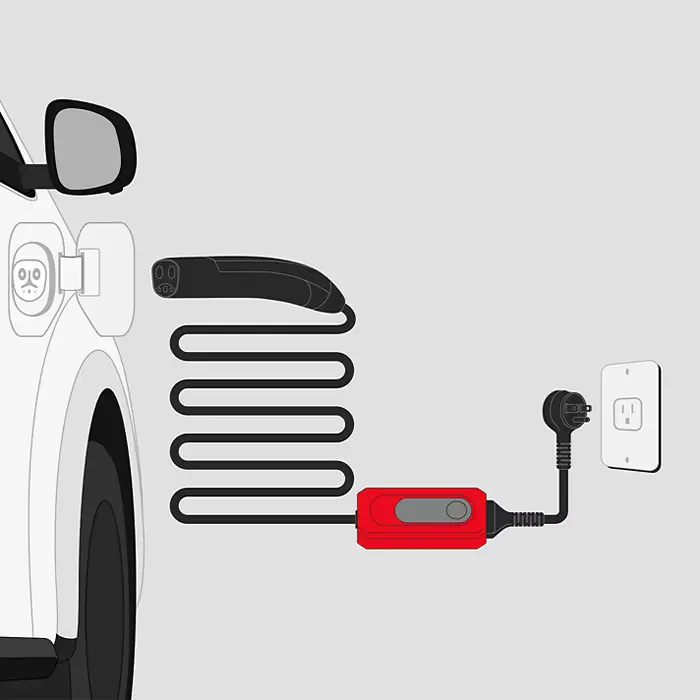
Set up your at-home charging station
With the dual-voltage charging cable that’s included with all Toyota BEVs and PHEVs, you can take advantage of both Level 1 and Level 2 home-charging capabilities. Treehouse can make the Level 2 charging process simple from start to finish for your home set-up.
Toyota is not involved in, nor is it responsible, for the installation of the charger. Toyota cannot guarantee the 48-hour turnaround and one-visit representations from Treehouse. Please visit Treehouse’s website for more information.